
Rooms That Grow With Your Household
Home Additions in Loveland for properties where current square footage no longer fits daily living needs
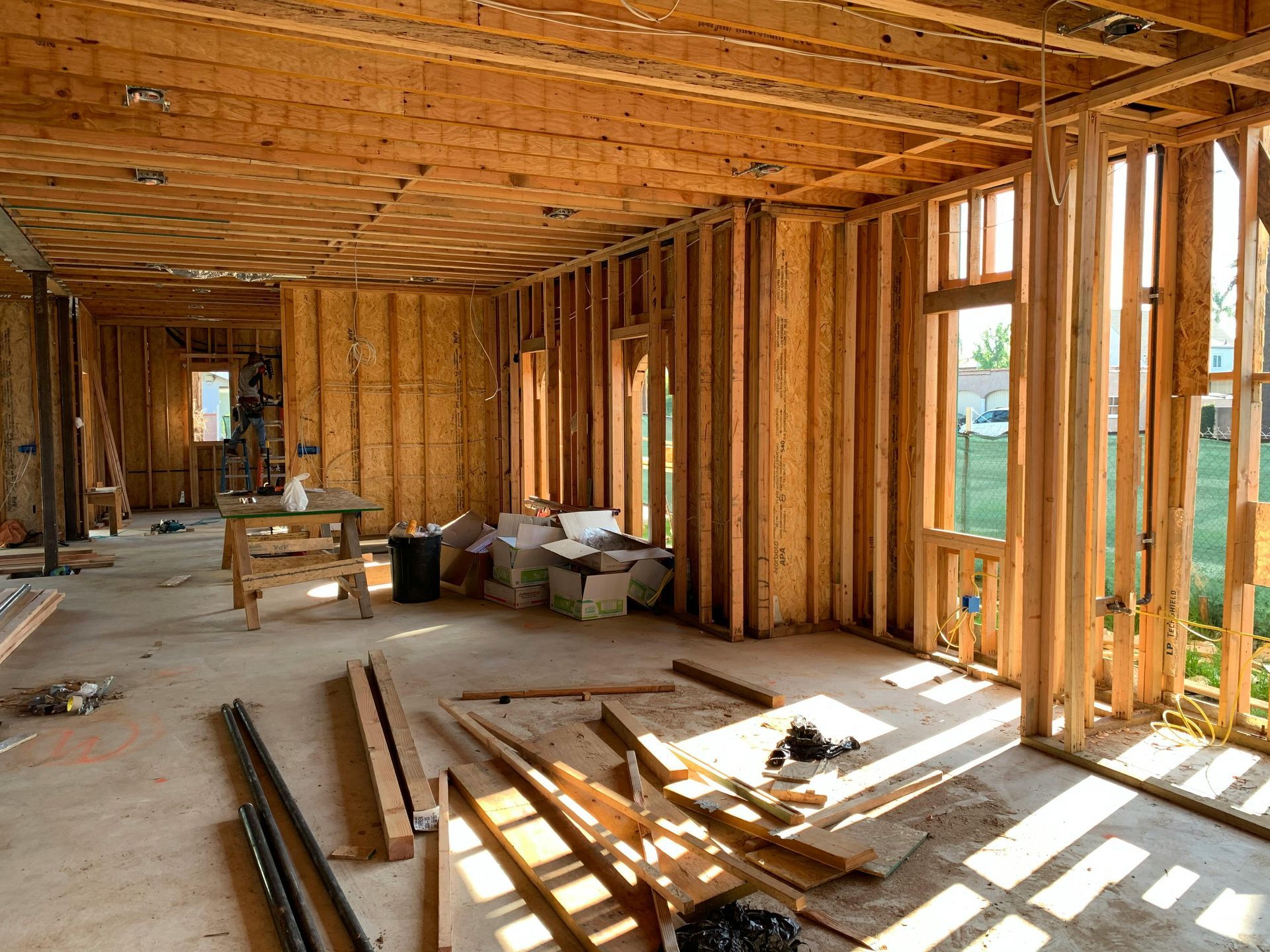
DJ Contracting handles home additions in Loveland by building new bedrooms, living areas, and multi-purpose spaces that attach seamlessly to existing structures. Families typically need this service when household size increases, multi-generational living arrangements form, or dedicated work-from-home space becomes necessary. The new construction matches existing rooflines, siding profiles, and foundation depths so the addition appears original to the home rather than clearly tacked on later.
The process involves matching foundation type to your current home—particularly important in Loveland where expansive clay soils require consistent footing depth—and tying new roof framing into existing rafters or trusses without compromising structural integrity. Wall framing connects at load-bearing points, insulation values match or exceed the original building envelope, and finish materials coordinate with what's already there so paint, flooring, and trim create visual continuity.
Request a site evaluation to determine how foundation conditions and existing structural layout affect addition design.
How Additions Integrate With Existing Homes
Proper integration requires analyzing how your current foundation was poured, where floor joists run, and how roof load transfers through exterior walls. New framing ties into existing studs at multiple points, and the foundation extends to match your home's depth—critical in Loveland where frost lines reach 30 inches and shallow footings crack during freeze-thaw cycles. Electrical and plumbing systems extend from existing service panels and supply lines, maintaining code compliance while avoiding overloaded circuits.
Once complete, you walk directly from existing rooms into new space without transitions that feel like separate buildings. Flooring sits level with no steps between old and new sections, ceiling heights match, and HVAC distribution ensures the addition heats and cools consistently with the rest of your home. Door casings and baseboards continue the same profile throughout, and exterior siding lines align at seams so the roofline reads as a single continuous plane.
Additions increase taxable square footage and property value while solving specific space problems—whether that means aging parents moving in, teenagers needing separate areas, or creating dedicated office space that separates work from living areas. Timeline depends on foundation curing requirements, inspection intervals, and how weather affects exterior finishing work.
Families planning additions often want to understand how the process works and what factors affect design decisions.
Questions Homeowners Ask Before Starting
What determines whether an addition can connect to my existing foundation?
Your current foundation type and depth matter most—poured concrete, block, or post systems each require different connection methods, and Loveland's frost line depth dictates minimum footing placement to prevent seasonal movement and cracking.
How does new construction match existing rooflines?
The addition's roof pitch must align with your current slope, and new rafters tie into existing framing at ridge beams or fascia boards, which sometimes requires removing sections of the original roof structure to create structural continuity.
What happens to HVAC when square footage increases?
Existing furnace capacity determines whether your current system can handle added load or if ductwork extensions and supplemental heating become necessary—older systems often require upgrades to maintain consistent temperatures throughout.
When should this work happen to minimize weather delays?
Foundation pouring and exterior framing proceed faster during dry months when concrete cures predictably and lumber stays dimensionally stable, though interior finishing continues year-round once the structure is enclosed and weathertight.
What permits does Loveland require for home additions?
Building permits cover structural framing, foundation work, electrical service extensions, and plumbing modifications, with inspections required at footing pour, framing completion, and final walkthrough before occupancy approval.
DJ Contracting plans additions that solve specific household space problems while maintaining structural integrity and visual consistency. Schedule a property consultation to review how existing conditions affect design options and project scope.