Commercial Spaces Built for Business Function
Light Commercial Construction in Loveland for retail spaces, offices, and business environments needing build-outs or structural upgrades
Commercial tenants moving into shell spaces need partition walls, finished ceilings, flooring, and electrical distribution before opening—build-outs transform raw square footage into functional environments configured for specific business operations. Business owners require this service when leasing new locations, when expanding into adjacent units, or when operational changes demand reconfigured layouts. DJ Contracting handles light commercial projects in Loveland by managing timelines that minimize business interruption, coordinating inspections required for occupancy permits, and building to commercial codes that differ from residential standards in fire rating, accessibility, and egress requirements.
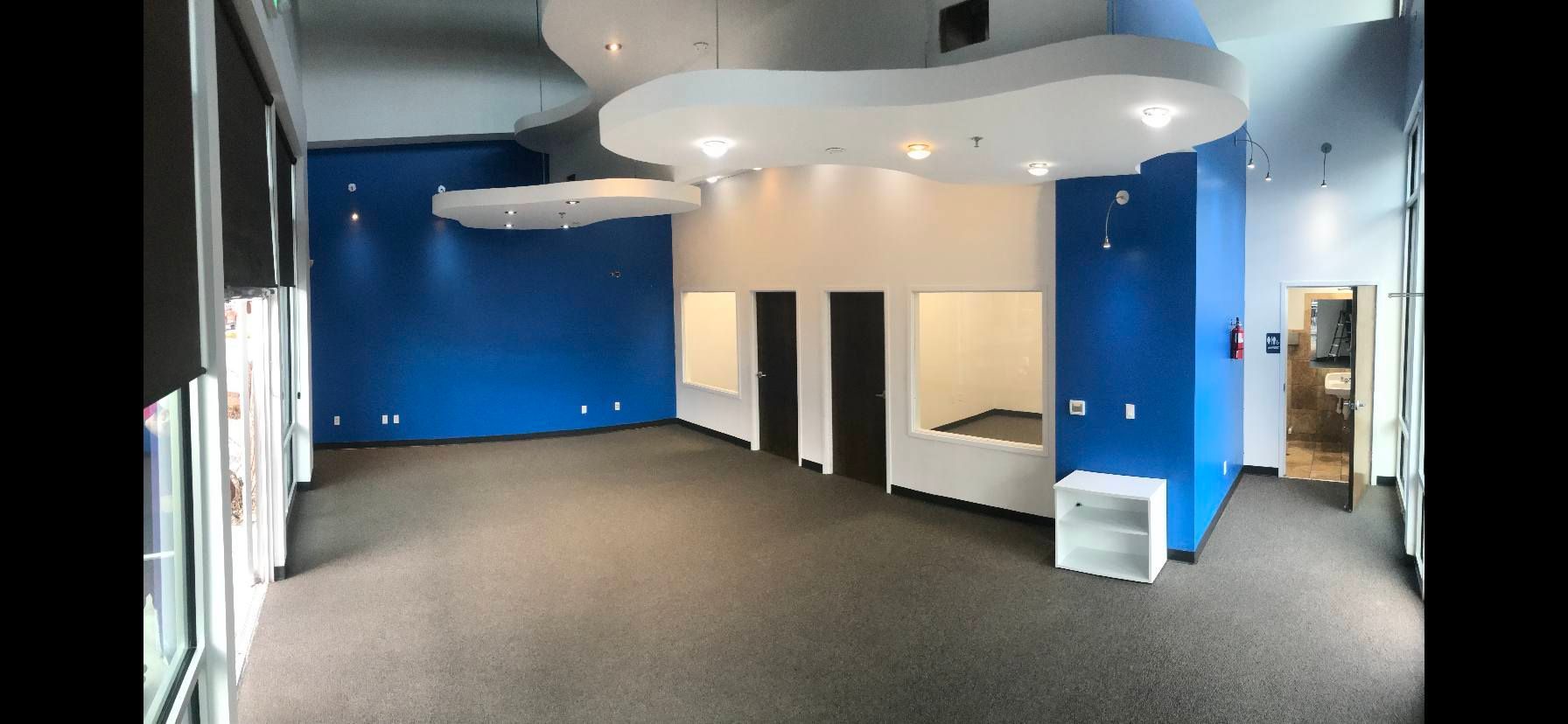
Work includes framing partition walls that define offices, restrooms, and storage areas; installing drop ceilings with integrated lighting and HVAC diffusers; running electrical circuits to support equipment loads; and finishing floors appropriate for customer traffic. Fire-rated assemblies separate tenant spaces in multi-occupant buildings, and ADA-compliant features address accessibility in public areas.
Arrange a project consultation to review space requirements, timeline constraints, and how existing building systems affect build-out scope.
What Efficient Commercial Projects Involve
Timeline efficiency comes from sequencing work so inspections happen efficiently—rough electrical and plumbing precede drywall, fire-rated wall assemblies get inspected before concealment, and accessibility features install according to ADA standards that govern counter heights, door widths, and restroom configurations. Material staging prevents delivery issues that stall progress, and coordination with existing tenants minimizes disruption when work affects shared building systems. DJ Contracting focuses on completing projects within windows that allow businesses to open on schedule and avoid extended rent payments on non-functional space.
Finished spaces include walls positioned where operational flow makes sense, lighting that meets task requirements without excessive energy consumption, and flooring that handles anticipated traffic without premature wear. Electrical capacity supports equipment loads, HVAC distribution maintains comfort in occupied areas, and partition placement allows future reconfiguration if business needs change. Code-compliant exits and fire separations satisfy occupancy inspections required before business licensing.
Commercial projects involve more regulatory touchpoints than residential work—building permits cover structural modifications, electrical and plumbing permits address system extensions, and final inspections verify ADA compliance and fire safety measures before certificate of occupancy gets issued. Design decisions balance upfront cost against long-term flexibility, since partition walls and ceiling systems chosen for adaptability cost more initially but reduce future renovation expenses.
Business owners planning commercial construction ask about requirements that differ from residential projects and how timelines affect operations.
Questions Before Starting Your Project
What makes commercial construction different from residential work?
Commercial codes mandate fire-rated wall assemblies between tenants, ADA accessibility features in public areas, and higher electrical capacity for equipment loads—residential standards don't address these requirements, so material selection and construction methods differ significantly.
How long do typical build-outs take in Loveland?
Timeline depends on square footage and complexity, but small office build-outs often complete in four to six weeks from permit approval to final inspection, while retail spaces with extensive finishes or equipment installations extend to eight weeks or longer.
What permits does Loveland require for commercial projects?
Building permits cover structural work and partition framing, electrical permits address power distribution and lighting, plumbing permits cover restroom installations, and mechanical permits handle HVAC modifications—each requires separate inspection before final occupancy approval.
When should construction start relative to lease commencement?
Starting immediately after lease signing maximizes time before rent obligations begin, but permitting timelines add two to three weeks before construction starts, so factoring approval time into lease negotiations prevents paying rent on incomplete space.
How are existing building systems integrated into tenant spaces?
HVAC distribution extends from base building units through new ceilings, electrical service feeds from building panels to tenant distribution points, and plumbing ties into risers that serve multiple floors—capacity limits sometimes require system upgrades before tenant improvements proceed.
DJ Contracting manages light commercial construction and renovation projects with focus on meeting business timelines and regulatory requirements. Call 970-232-6901 to discuss your commercial space needs and schedule a project planning session.